|
Updates |
|||||
|
|
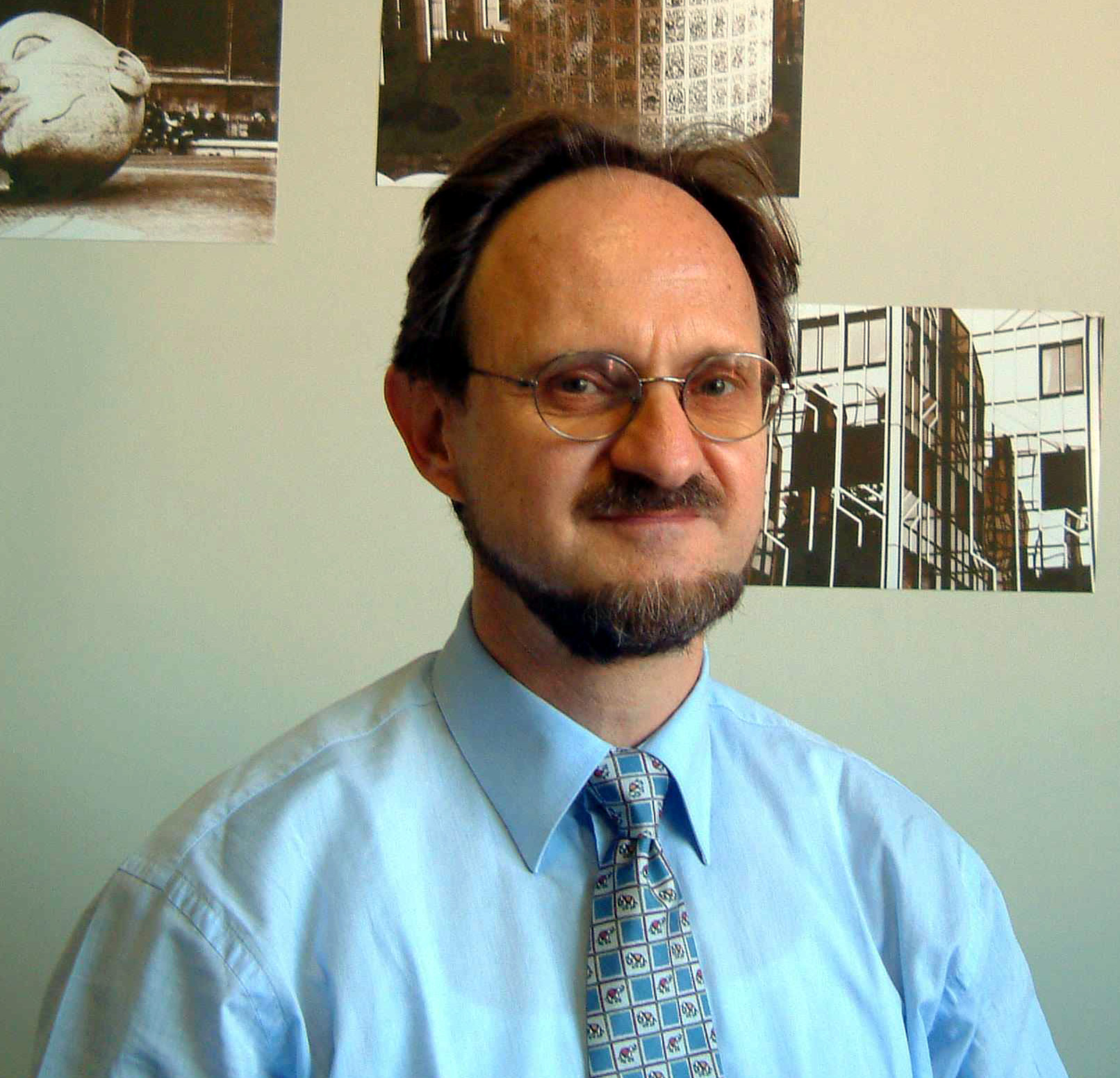
Rolf Willmann is Senior Fishery Planning Officer with the Fisheries Department, FAO, Rome, Italy. In 1979, he joined the FAO Bay of Bengal Programme in Chennai, India, as a junior professional. It is here where his “small-scale fisheries” formation took place, not least through the close collaboration with Dr John Kurien and his co-workers in the conduct of a detailed costs and earnings study of traditional and mechanized marine fisheries in Kerala State, India. While moving on to join FAO HQ in 1982, he maintained his close personal and professional interest in Asian fisheries and interacted closely with small-scale fishworker organisations through the aegis of the International Collective in Support of Fishworkers( ICSF). His areas of work include the analysis of economic and social implications of the transition to responsible fisheries; fisheries management policies including the management of shared stocks; integrated environmental and economic accounting; sustainability indicators; and ecolabelling. Currently, he is responsible for the development of guidelines on increasing the contribution of small-scale fisheries to poverty reduction and food security within the technical guidelines series of the Code of Conduct for Responsible Fisheries. Rolf Willmann will give a keynote presentation on “Restoration and Management of Small-Scale Fisheries: Meeting the Challenge”. In it he will argue that small-scale fisheries have a critical role to play in meeting the United Nations Millennium targets of eradicating poverty and combating food insecurity. The challenge is to give back to small-scale fisheries their rightful place as the locus of coastal and inland fisheries development.
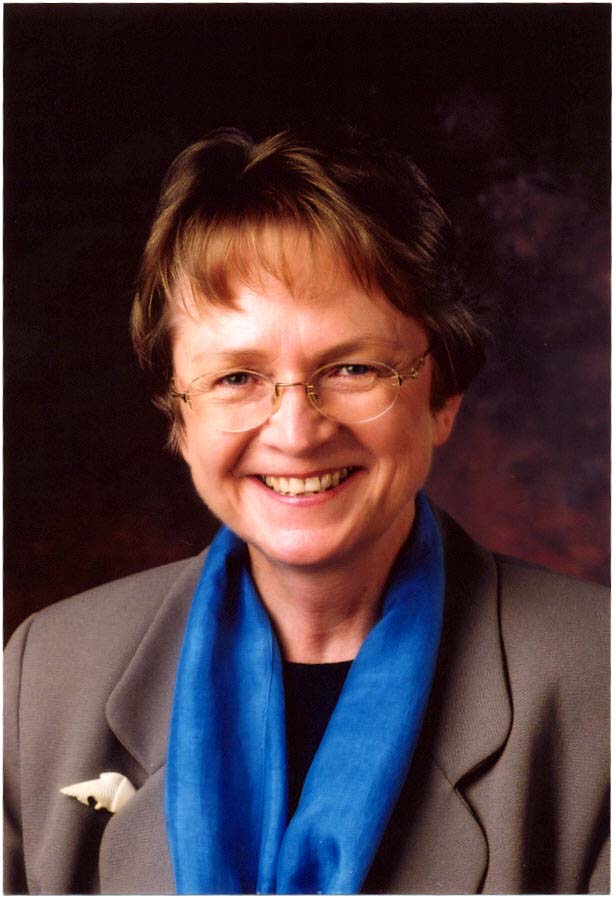
Dr. Meryl J. Williams
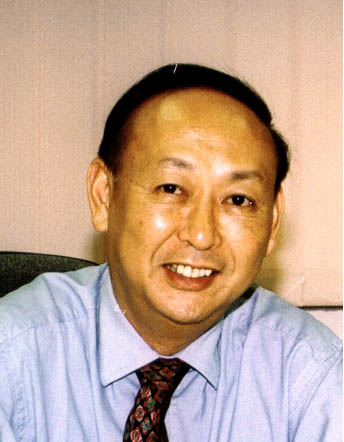
Professor Hew Choy Leong is a well-known researcher with highly cited publications in major scientific periodicals such as J. Biological Chemistry, Nature and Aquaculture. His major research focus includes characterization and utilization of fish anti-freeze proteins, transgenic fish development, molecular endocrinology, structural and functional genomics of viral pathogens.His previous appointments includes University of Toronto, The Hospital for Sick Children Toronto and Memorial University of Newfoundland. Professor Hew is the current Head of Department in the Department of Biological Sciences, National University of Singapore, where he continues to promote the importance and potentials of biotechnology as a tool to improve aquaculture and fisheries. Awards/Honours
Major Publications (from more than 190 refereed papers)
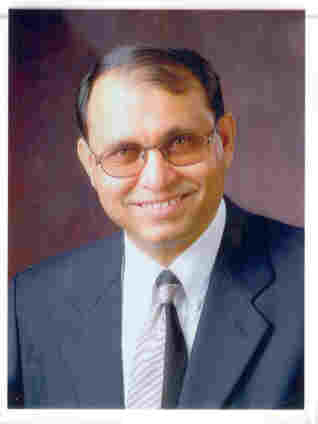
Dr Mahfuzuddin Ahmed is Principal Social Scientist and Program Leader of the Policy Research and Impact Assessment Program of WorldFish Center since 1996. He is also part of the senior management team of WorldFish that provides strategic directions to the center’s impact assessment and priority setting activities. He also leads the research team responsible for research findings, which contribute to shaping fisheries policies in developing countries. Dr. Ahmed is currently the President-elect of International Institute for Fisheries Economics and Trade (IIFET). Also, an adjunct associate professor if UPLB, Philippines, Dr. Ahmed is currently scientific adviser to the International Foundation for Science and associate editor of Asian Fisheries Science Journal. He has recently co-authored a book on the future of fish entitled “Fish to 2020-Supply Demand in Changing Markets”. A number of his past research work are regarded as pioneering research on the knowledge and understanding of regional and national issues in fisheries. He conducted a pioneering study on the socioeconomic assessment of the freshwater capture fisheries in Cambodia during his tenure in the Mekong River Commission (MRC) as socioeconomic adviser (1994-1996). His earlier career began in late 1970s as researcher and economics lecturer at the University of Chittagong (birthplace of “Grameen Bank”). Living in Southeast Asia since mid-1980s he worked for Mekong River Commission, DANIDA and Asian Development Bank as adviser and consultant.
|
||||
|
Copyright (C) 2003 |
|||||